Patricia Yumba

Michael Jackson in Côte d’Ivoire: His Second African Journey

Michael Jackson Series · Part II of III

In 1974, a teenage Michael Jackson stepped off a plane in Dakar and said, ‘this is where I come from.’

Eighteen years later, Africa answered him back. This is the story of Michael Jackson in Côte d’Ivoire — not as a visiting superstar, but as a man received, welcomed, and ultimately crowned. Part two of our series picks up where Senegal left off, tracing how one kingdom’s gesture turned a homecoming into something far more permanent: belonging, made official.

I want to stay here a little longer. Because what happened in Côte d’Ivoire in 1992 was not a publicity stunt, not a celebrity moment, and not — as some Western outlets framed it at the time — an eccentric distraction. It was something much older and much more meaningful than any of those descriptions allow for.

It was a homecoming. And Africa knew it, even if the rest of the world didn’t quite know what to do with that.

The Man Who Arrived in 1992

By 1992, Michael Jackson had already lived several lifetimes’ worth of public existence. Thriller had become the best-selling album in history. The Bad tour had broken records across five continents. Dangerous had just been released, and the world was — once again — paying close attention to everything he did.

He arrived in West Africa that year carrying all of that. But he also arrived with something the headlines rarely acknowledged: a genuine, longstanding interest in the continent.

This was not his first time on African soil. Part I of this series tells the story of the 1974 Senegal visit — the one that began everything, the one where a fifteen-year-old Michael heard the drums and understood something profound about where he came from. By 1992, eighteen years had passed. Michael was no longer a teenager discovering his roots. Instead, it was a grown man, returning.

He had spoken publicly about Africa’s influence on his work. He had expressed interest in humanitarian causes across the continent. His connection was not manufactured for press cycles. It had a history.

And Africa received him accordingly.

The Reception

Before Côte d’Ivoire, there was Gabon.

The scenes that greeted Michael Jackson in Libreville were extraordinary by any measure. Crowds lined the streets. The president, Omar Bongo, received him personally. Tens of thousands of people turned out to welcome someone who, in the eyes of much of the Western world, was simply a pop star on a foreign visit.

But that framing missed something important.

For many Africans, Michael Jackson was not simply a pop star. He was a product of the African diaspora — someone whose artistry, whose movement, whose very presence on a stage carried the unmistakable influence of African rhythm, African performance tradition, African spirit. Welcoming him was not the same as welcoming a foreign celebrity.

It was closer to welcoming something that had been sent out into the world and was finally coming back.

Krindjabo and the Kingdom of Sanwi

From Gabon, Michael travelled to Côte d’Ivoire. And it is here that the story takes the turn that I find most extraordinary.

The Kingdom of Sanwi is a real, historically significant kingdom located in the southeastern region of Côte d’Ivoire. Its people, the Sanwi, have maintained their royal traditions and their sense of distinct cultural identity across generations and colonial disruptions alike. The kingdom’s capital is Krindjabo — a small town, not a major city, not a place most international journalists would have visited or known to look for.

And yet it is in Krindjabo that something remarkable happened.

Michael Jackson was received by the royal court of the Sanwi people and formally honoured with the title of Sami — an honorary kingship. It was not a performance, neither was not a photo opportunity arranged by a PR team. It was a deliberate, culturally significant act on the part of a people with their own deep understanding of lineage, ancestry and the African diaspora.

To bestow that title was to say something specific: you are not a stranger here. You are part of this. You belong to a story that includes us.

The ceremony drew crowds and emotional scenes. Michael, by multiple accounts, was visibly moved.

I wonder sometimes what it must have felt like — to have spent your entire life being the most watched person on earth, and to arrive somewhere and be told not that you are famous, but that you are family.

What Western Media Got Wrong

The coverage that followed in much of the Western press was, predictably, reductive.

The coronation was treated as curiosity — colourful, exotic, slightly baffling. Some outlets reported it with barely concealed amusement. The assumption embedded in much of that coverage was that this was a transaction: a small African kingdom gaining attention by associating itself with a global celebrity, and a celebrity gaining an unusual accessory for his personal mythology.

That framing fundamentally misunderstood what was happening.

The Sanwi people were not starstruck. They were making a statement about identity, about diaspora, about the relationship between Africa and the descendants of Africans who had been taken from the continent centuries earlier. They were saying: this thread has not broken. We can still recognise each other. We can still name each other.

That is not celebrity spectacle. That is history.

And perhaps the reason it was so difficult for Western media to process is precisely because it operated on a frequency they were not equipped to hear.

The Deeper Meaning of Belonging

I grew up in Lubumbashi. I have lived across the continent and in the diaspora. I know what it means to carry an African identity through spaces that do not always know what to do with it.

And I know what it means — at a bone-deep level — to arrive somewhere and be seen. Not as a curiosity. Not as an outsider. But as someone who belongs to a longer story than the one currently playing out in the room.

That, I think, is what Krindjabo gave Michael Jackson.

A place in a lineage.

For someone who had spent his entire adult life being mythologised, packaged and projected onto by the world, being received as a member of a specific human family — with specific ancestors, a specific history, a specific place on the map — must have been something else entirely.

THE HOUSE OF NZINGA TAKE

We talk a lot, in Pan-African spaces, about the idea of return. The Year of Return. Going back to the motherland. Tracing your roots. And there is something genuinely powerful in all of that.

But I think what the 1992 Côte d’Ivoire story reminds us is that return is not always geographic.

Sometimes it is ceremonial. Sometimes it is a drumbeat in Dakar in 1974. Sometimes it is a kingdom in southeastern Côte d’Ivoire choosing to name you — to say, publicly and with full cultural authority: you are part of this.

Identity is not static. It does not stay in the place it was born. It travels across oceans, changes form, absorbs new languages and new experiences, and still — sometimes, in the most unexpected moments — finds its way back to something it recognises as home.

Michael Jackson found something in Krindjabo that the world’s most famous stages could not give him.

That is the part of the story worth remembering.

The crown was symbolic. The recognition was not.

Let’s get social, let’s connect!

Suscribe to the newsletter here: https://realhouseofnzinga.kit.com/

Welcome to the Queendom : http://houseofnzinga.com/welcome/

Facebook page : House of Nzinga

Instagram:  @Fabulous_Trysh (Personal Page)

Instagram: @House_of_Nzinga (Official Page)

Podcast Alert!! : Check out Zazi on all podcast platforms

Michael Jackson in Senegal: His first African journey in 1974

The Jackson 5 in Dakar, Senegal in 1974.
The Jackson 5 in Dakar, Senegal in 1974/ Michael Jackson Facebook Official page.

Michael Jackson’s First Visit to Africa: Senegal, 1974

Michael Jackson Series · Part I of III

Like millions of people, I’ve been happily caught up in the Michael Jackson renaissance.

The huge success of Michael sent me down a rabbit hole — revisiting the music, the performances, the interviews, the sheer artistry and dedication behind a body of work I’ve loved for years. As a longtime Michael Jackson fan, there has been something genuinely joyful about watching a new generation discover him, and the rest of us rediscover what made him so extraordinary in the first place.

But somewhere down that rabbit hole, another story kept catching my attention.

Michael Jackson and Africa.

We know the global superstar. We know the Motown beginnings, Thriller, the moonwalk, the record-breaking tours and the cultural phenomenon. But his relationship with Africa — the visits, the encounters, the connections he made with the continent at different moments of his life — is a chapter we don’t talk about nearly as much.

So, on what would have been Michael Jackson’s 68th birthday, I wanted to go back to that story.

This is the first of a three-part series tracing Michael Jackson’s relationship with Africa.

And it begins in 1974, when a 15-year-old Michael Jackson arrived in Dakar, Senegal, and set foot on the continent for the first time.

And something shifted.

The Jackson 5 Arrive in Senegal

By 1974, the Jackson 5 were already a global phenomenon. They had hit records, sold-out tours, magazine covers. Jacksonmania — that particular brand of breathless, screaming, fainting adoration — was very much in motion.

But Dakar was different.

What greeted them was not just the usual crowd frenzy. It was a full cultural welcome: traditional Senegalese dancers and drummers lining up to receive them, rhythms filling the air, bodies moving in patterns that had been handed down across generations.

Michael Jackson watched, and reportedly could not stop watching.

By his own later accounts, something about those performers stopped him completely. Not in the way fame stops you — not because of recognition or spectacle. He was stopped by something deeper. Something that felt, unexpectedly, like memory.

“This Is Where It Comes From”

The words that Michael is said to have spoken in that moment are simple, but they carry weight.

This is where the rhythm comes from. This is where the music comes from. This is where the talent comes from.

For a teenager whose entire identity was built around music, movement and performance, this was not a small realisation. It was the beginning of understanding that the gifts he had spent his childhood refining were not his alone — they were inherited. They were part of something ancient and unbroken, something that had crossed the Atlantic and survived.

Long before phrases like diaspora connection or cultural roots became part of mainstream vocabulary, a fifteen-year-old Michael Jackson was having the experience those words try to describe.

That matters.

Gorée Island and the Weight of History

The visit to Gorée Island is the part of this story I find myself returning to most.

Situated just off the coast of Dakar, Gorée has long been one of the most significant — and painful — historical sites on the continent. For generations, it has stood as a place of remembrance for the transatlantic slave trade: its corridors carrying the weight of millions of stories, millions of names, millions of lives uprooted.

Visitors do not go to Gorée for tourism. They go to confront something.

Michael went. And by his own later reflections, it stayed with him.

Standing in a place so directly connected to the history of African people and their descendants around the world — to his history — clearly left a mark. He spoke about it years afterwards in terms that suggest it was less a visit and more a reckoning.

What Gorée seemed to crystallise for him was something the drumming and dancing had already begun to suggest: that Black culture across the Atlantic — the music, the rhythm, the performance, the resilience — was not separate from Africa. It was Africa, in another form, still living.

Why This Visit Still Matters

It is tempting to look back at this trip and file it under interesting celebrity trivia. But that would be a mistake.

This was not a superstar doing a goodwill appearance. This was a young Black artist encountering his heritage in the most tangible way imaginable — through sound, through movement, through the physical experience of a place. And it happened before the world-changing fame, before Thriller, before everything.

It was the first chapter of a relationship with Africa that would continue throughout Michael Jackson’s life — through his return in 1992, his coronation as Sami by the Sanwi people of Krindjabo in Côte d’Ivoire, his visits to South Africa, his presence at the Kora Awards. All of that came later.

But it started here. In Dakar, with a boy who heard the drums and recognised something in them.

THE NZINGA TAKE

Here is what I keep thinking about when I sit with this story.

The rhythms that moved Michael Jackson in Senegal in 1974 had already made an extraordinary journey. They had crossed oceans under unimaginable conditions. They had been stripped of their names, their context, their original geography — and yet they had survived. They had evolved into jazz, into blues, into soul, into funk, into gospel, into pop. They had come back to the world in new forms and moved millions of people who did not always know what they were responding to.

Michael Jackson knew, in that moment in Dakar. Or he began to know.

And that, to me, is what makes this story worth telling — not just as music history or celebrity biography, but as a reminder of what diaspora actually means when you strip away the academic language.

It means something travelled. It means something held. It means, sometimes, a fifteen-year-old boy hears a drumbeat on the other side of the world and says: I know this.

Before Africa crowned Michael Jackson, Africa reminded him where he came from.

Part II: When Africa Crowned a King — Michael Jackson, Côte d’Ivoire and the 1992 coronation in the Kingdom of Sanwi · Coming soon.

Part III: The Last African Chapter — South Africa, the Kora Awards and Michael Jackson’s enduring legacy · Coming soon.

**

Sources & Further Reading

Let’s get social, let’s connect!

Suscribe to the newsletter here: https://realhouseofnzinga.kit.com/

Welcome to the Queendom : http://houseofnzinga.com/welcome/

Facebook page : House of Nzinga

Instagram:  @Fabulous_Trysh (Personal Page)

Instagram: @House_of_Nzinga (Official Page)

Podcast Alert!! : Check out Zazi on all podcast platforms

Welcome to the Nzinga Circle: Culture & Events You Shouldn’t Miss

Illustrative picture.

Welcome to the Nzinga Circle: Culture, Events & Lifestyle Picks You’ll Love

Welcome to the first-ever roundup from the Nzinga Circle, a space where culture, community, and lifestyle come together .

This is more than just a blog post. It’s a curated dose of joy, connection, and discovery — and I’m so excited to share it with you.

Movie gif. Lindsay Lohan, as Cady in Mean Girls gives us a friendly wave and says, “Jambo!”


Whether you’re based in South Africa, Congo, Ghana or part of the global diaspora, this space is your soft landing to reset, rise, and stay in the know.

This July to September, lifestyle events in South Africa include DECOREX, SOKE Africa, and more.

🎉 What’s On: 5 Events You’ll Want to Experience (July–September)

Rhode Island Events GIF by Community College of Rhode Island

If you’re a design lover or home décor enthusiast, DECOREX is your playground. Expect innovative interior trends, local makers, and styling inspo you’ll want to pin everywhere.

A lifestyle celebration of Africa through music, fashion, and food. SOKE Africa is one of the freshest cultural events to hit the scene — don’t miss it if you’re in Jozi.

Geek culture, gaming, cosplay, and art collide at Comic Con Africa — the continent’s biggest pop culture festival. It’s more than comics; it’s community.

This iconic food and music fest fuses African flavours with global sounds. It’s not just a vibe — it’s the vibe.

Whether you’re a jazz purist or just love a great live set, this legendary festival is where African jazz royalty and global icons meet.

🌍 Not based in South Africa? No worries. The Nzinga Circle will continue to spotlight cultural moments from across the continent and the diaspora.

💬 Let’s Build Something Together

As this community grows, I’d love to know:
– What are you working on right now?
– How can being part of a like-minded space like Nzinga Circle support your journey?

📨 Stay In the Loop

If you loved this post and want more curated content like this — from lifestyle gems to cultural intel — sign up for the Nzinga Circle newsletter. It’s where the magic begins.

Click here to subscribe to get the best lifestyle events in South Africa, across the continent (and in the diaspora) delivered to your inbox.

Here You Go GIF by Jason Earls

Until then, stay radiant.

Patricia Yumba M.
Founder, House of Nzinga

DISCLAIMER : So… something a little awkward happened. 😅

We rolled out our very first Nzinga Circle newsletter — full of events, culture, and all the vibes — this week, but it looks like not everyone received it. Tech did what tech does. 🙄

To ensure that you receive the newsletter, follow these steps :

  • 📩 Add this email to your contacts or whitelist us: patricia@houseofnzinga.com
  • 📩 Suscribe to the newsletter here.

Let’s get social, let’s connect!

Suscribe to the newsletter here: https://realhouseofnzinga.kit.com/

Welcome to the Queendom : http://houseofnzinga.com/welcome/

Facebook page : House of Nzinga

Instagram:  @Fabulous_Trysh (Personal Page)

Instagram: @House_of_Nzinga (Official Page)

Podcast Alert!! : Check out Zazi on all podcast platforms

How to Embrace the Eras of Your Life with intention

Life isn’t just a straight line from point A to point B. It’s a journey filled with twists, turns, and colorful chapters. And if you ask me, the best way to navigate this wild adventure is to embrace each chapter as its own unique era: like a superstar on a world tour, but with less glitter (unless glitter’s your thing, in which case, shine on!).

Let’s talk about how to name, claim, and fully live in your next era. Whether you’re stepping into your “Radiant Muse” phase or just figuring out what’s next, this is your invitation to reclaim your story.


What Defines an Era?

Think about your favorite artists. Beyoncé doesn’t just drop albums; she creates eras. From the edgy, futuristic vibes of Sasha Fierce to the earthy, empowering Lemonade, or her latest cowgirl chic look for Cowboy Carter, her latest album, each phase of her career tells a story, with its own sound, visuals and energy. It’s intentional, it’s iconic, and it’s unforgettable.

Madonna’s longevity and success are rooted in her ability to create iconic eras that have defined pop culture. From her disco and pop phases to her vampy looks and Marilyn Monroe-inspired blonde bombshell moments, she has truly earned her title as the queen of reinvention.

Material Girl Yes GIF by Madonna

You can get inspiration from artists and create eras for yourself too. In a more demure way of course, unless you’re aiming for world domination then you go girl, I’m rooting for you! An era isn’t just about time passing; it’s about who you are, what you stand for, and how you’re showing up in the world. Maybe you’re in your “Healing and Hustling” era or your “Glow-Up Goddess” phase. Whatever it is, naming it gives it focus and intention.


Signs It’s Time for a New Era

Ever feel like you’re stuck in a loop, like a playlist that’s lost its spark? That’s a sign it’s time to remix your life. Here are a few clues:

  • You’re bored or unfulfilled.
  • You keep dreaming about things you haven’t tried yet.
  • Life’s thrown you a curveball (new job, turning 40+, big life shifts).

When Beyoncé decided to focus on her roots and dive deep into Black culture for Renaissance, it wasn’t just another performance. It was a shift, a declaration of who she was at that moment. You can do the same. Reinvent, refresh, and show the world the new you.

This aligns beautifully with many African cultural rites of passage, which often signal a spiritual and social transformation:

🔸 Umemulo (Zulu coming-of-age ceremony – South Africa)
Traditionally marking a young woman’s transition into adulthood, Umemulo celebrates readiness for new responsibilities with song, dance, and the symbolic gift of a spear. It’s a powerful rite of self-acceptance, family affirmation, and stepping confidently into one’s next era.

🔸 Dipo (Krobo initiation – Ghana)
The Dipo ceremony initiates young Krobo girls into womanhood through days of learning, adornment, and celebration. It affirms a girl’s readiness to embrace her identity, values, and future roles.


Naming and Shaping Your Era

Naming your era is like giving it a theme song. It sets the tone and reminds you of what you’re about.

What’s your vibe right now? Are you feeling fierce and fiery? Soft and serene? A little bit of both? Grab a pen and brainstorm:

  • What do I want to feel in this phase of life?
  • What am I leaving behind?
  • What am I stepping into?

Now give it a name. Make it personal, make it bold, make it yours.


Reinvention as a Form of Self-Care

Reinvention isn’t about erasing who you were; it’s about evolving into who you’re meant to be. Think of it as a form of self-care. You’re honoring yourself by stepping into alignment with your current values and dreams.

Need some inspo? Here’s how to start:

  1. Declutter Your Life: Let go of what doesn’t serve you — toxic habits, outdated beliefs, that pair of jeans that’s been mocking you from the back of your closet.
  2. Celebrate Small Wins: Every step forward counts. Toast to your progress, even if it’s just switching up your morning routine.
  3. Visualize Your Next Chapter: Create a vision board or journal about your ideal day in your new era. What’s different? How do you feel?

Living Your Era Out Loud

Once you’ve claimed your new era, it’s time to live it. Here are a few ways to bring it to life:

  • Brand Yourself: Like Beyoncé’s Renaissance or Cowboy Carter albums, let your vibe show in everything you do. Your wardrobe, your Instagram feed, even your coffee order can reflect your new energy. (Lavender latte in your Luminous Rose era? Yes, please.)
  • Create Rituals: Mark your transition with a symbolic act. Light a candle, write a letter to your past self, or host a mini launch party for close friends.
  • Own Your Story: Share your journey. Post about it, podcast about it, shout it from the rooftops. Your glow-up could inspire someone else to start their own. (Prepaaare to be sick of me vibes, haha!)

Seasonal Reflection: Your Autumn of Becoming

Here in South Africa, April marks the beginning of autumn; a time when nature gently lets go of the old to make space for rest, reflection, and inner renewal. As the leaves fall and the air cools, autumn invites us to slow down and realign. It’s the perfect season to journal about your next life era. What are you shedding? What energy are you calling in?

April also brings us Freedom Day on the 27th — a powerful reminder of reclaiming identity, voice, and purpose. Let that spirit fuel your personal renewal. You too deserve to walk boldly in your truth.


Conclusion

Life is too short to stay in the same chapter forever. Embrace the art of reinvention, name your next era and step into it like the superstar you are. Whether you’re channeling your inner Sasha Fierce or creating your own Lemonade, this is your time to shine. So, what’s your next era called? Let’s talk about it in the comments below (or on the socials).

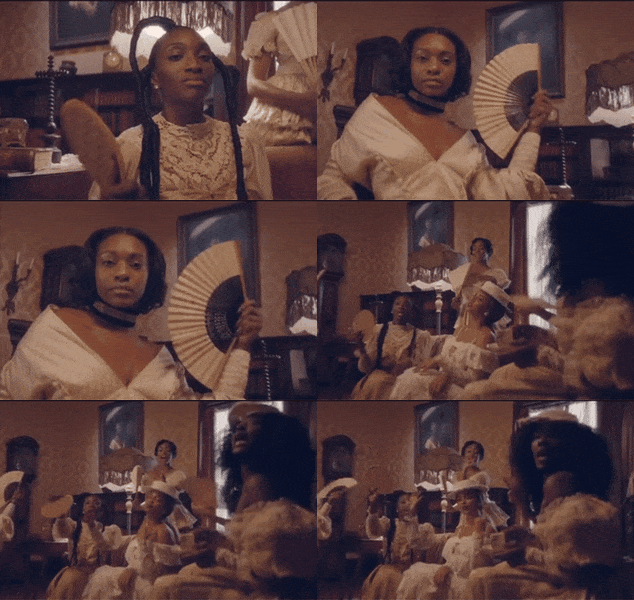
Music Video Beyonce GIF

Cheers to embracing the different eras of your life, your evolution, your glow, and your rise. Here’s to your Radiant Muse or Boss Lady Era, or whatever incredible name you choose. 🌹✨

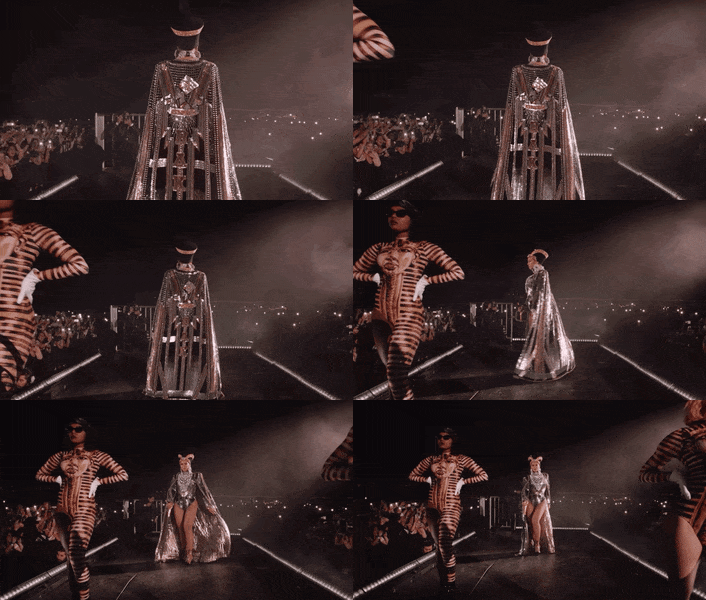
costume beychella GIF

Let’s get social, let’s connect!

Welcome to the Queendom : http://houseofnzinga.com/welcome/

Facebook page : House of Nzinga

Instagram:  @Fabulous_Trysh (Personal Page)

Instagram: @House_of_Nzinga (Official Page)

New Podcast Alert!! : Check out Zazi on all podcast platforms

1 2 3 … 15

css.php