Uncategorized

Michael Jackson in Côte d’Ivoire: His Second African Journey

Michael Jackson Series · Part II of III

In 1974, a teenage Michael Jackson stepped off a plane in Dakar and said, ‘this is where I come from.’

Eighteen years later, Africa answered him back. This is the story of Michael Jackson in Côte d’Ivoire — not as a visiting superstar, but as a man received, welcomed, and ultimately crowned. Part two of our series picks up where Senegal left off, tracing how one kingdom’s gesture turned a homecoming into something far more permanent: belonging, made official.

I want to stay here a little longer. Because what happened in Côte d’Ivoire in 1992 was not a publicity stunt, not a celebrity moment, and not — as some Western outlets framed it at the time — an eccentric distraction. It was something much older and much more meaningful than any of those descriptions allow for.

It was a homecoming. And Africa knew it, even if the rest of the world didn’t quite know what to do with that.

The Man Who Arrived in 1992

By 1992, Michael Jackson had already lived several lifetimes’ worth of public existence. Thriller had become the best-selling album in history. The Bad tour had broken records across five continents. Dangerous had just been released, and the world was — once again — paying close attention to everything he did.

He arrived in West Africa that year carrying all of that. But he also arrived with something the headlines rarely acknowledged: a genuine, longstanding interest in the continent.

This was not his first time on African soil. Part I of this series tells the story of the 1974 Senegal visit — the one that began everything, the one where a fifteen-year-old Michael heard the drums and understood something profound about where he came from. By 1992, eighteen years had passed. Michael was no longer a teenager discovering his roots. Instead, it was a grown man, returning.

He had spoken publicly about Africa’s influence on his work. He had expressed interest in humanitarian causes across the continent. His connection was not manufactured for press cycles. It had a history.

And Africa received him accordingly.

The Reception

Before Côte d’Ivoire, there was Gabon.

The scenes that greeted Michael Jackson in Libreville were extraordinary by any measure. Crowds lined the streets. The president, Omar Bongo, received him personally. Tens of thousands of people turned out to welcome someone who, in the eyes of much of the Western world, was simply a pop star on a foreign visit.

But that framing missed something important.

For many Africans, Michael Jackson was not simply a pop star. He was a product of the African diaspora — someone whose artistry, whose movement, whose very presence on a stage carried the unmistakable influence of African rhythm, African performance tradition, African spirit. Welcoming him was not the same as welcoming a foreign celebrity.

It was closer to welcoming something that had been sent out into the world and was finally coming back.

Krindjabo and the Kingdom of Sanwi

From Gabon, Michael travelled to Côte d’Ivoire. And it is here that the story takes the turn that I find most extraordinary.

The Kingdom of Sanwi is a real, historically significant kingdom located in the southeastern region of Côte d’Ivoire. Its people, the Sanwi, have maintained their royal traditions and their sense of distinct cultural identity across generations and colonial disruptions alike. The kingdom’s capital is Krindjabo — a small town, not a major city, not a place most international journalists would have visited or known to look for.

And yet it is in Krindjabo that something remarkable happened.

Michael Jackson was received by the royal court of the Sanwi people and formally honoured with the title of Sami — an honorary kingship. It was not a performance, neither was not a photo opportunity arranged by a PR team. It was a deliberate, culturally significant act on the part of a people with their own deep understanding of lineage, ancestry and the African diaspora.

To bestow that title was to say something specific: you are not a stranger here. You are part of this. You belong to a story that includes us.

The ceremony drew crowds and emotional scenes. Michael, by multiple accounts, was visibly moved.

I wonder sometimes what it must have felt like — to have spent your entire life being the most watched person on earth, and to arrive somewhere and be told not that you are famous, but that you are family.

What Western Media Got Wrong

The coverage that followed in much of the Western press was, predictably, reductive.

The coronation was treated as curiosity — colourful, exotic, slightly baffling. Some outlets reported it with barely concealed amusement. The assumption embedded in much of that coverage was that this was a transaction: a small African kingdom gaining attention by associating itself with a global celebrity, and a celebrity gaining an unusual accessory for his personal mythology.

That framing fundamentally misunderstood what was happening.

The Sanwi people were not starstruck. They were making a statement about identity, about diaspora, about the relationship between Africa and the descendants of Africans who had been taken from the continent centuries earlier. They were saying: this thread has not broken. We can still recognise each other. We can still name each other.

That is not celebrity spectacle. That is history.

And perhaps the reason it was so difficult for Western media to process is precisely because it operated on a frequency they were not equipped to hear.

The Deeper Meaning of Belonging

I grew up in Lubumbashi. I have lived across the continent and in the diaspora. I know what it means to carry an African identity through spaces that do not always know what to do with it.

And I know what it means — at a bone-deep level — to arrive somewhere and be seen. Not as a curiosity. Not as an outsider. But as someone who belongs to a longer story than the one currently playing out in the room.

That, I think, is what Krindjabo gave Michael Jackson.

A place in a lineage.

For someone who had spent his entire adult life being mythologised, packaged and projected onto by the world, being received as a member of a specific human family — with specific ancestors, a specific history, a specific place on the map — must have been something else entirely.

THE HOUSE OF NZINGA TAKE

We talk a lot, in Pan-African spaces, about the idea of return. The Year of Return. Going back to the motherland. Tracing your roots. And there is something genuinely powerful in all of that.

But I think what the 1992 Côte d’Ivoire story reminds us is that return is not always geographic.

Sometimes it is ceremonial. Sometimes it is a drumbeat in Dakar in 1974. Sometimes it is a kingdom in southeastern Côte d’Ivoire choosing to name you — to say, publicly and with full cultural authority: you are part of this.

Identity is not static. It does not stay in the place it was born. It travels across oceans, changes form, absorbs new languages and new experiences, and still — sometimes, in the most unexpected moments — finds its way back to something it recognises as home.

Michael Jackson found something in Krindjabo that the world’s most famous stages could not give him.

That is the part of the story worth remembering.

The crown was symbolic. The recognition was not.

Let’s get social, let’s connect!

Suscribe to the newsletter here: https://realhouseofnzinga.kit.com/

Welcome to the Queendom : http://houseofnzinga.com/welcome/

Facebook page : House of Nzinga

Instagram:  @Fabulous_Trysh (Personal Page)

Instagram@House_of_Nzinga (Official Page)

Podcast Alert!! : Check out Zazi on all podcast platforms

How to Embrace the Eras of Your Life with intention

Life isn’t just a straight line from point A to point B. It’s a journey filled with twists, turns, and colorful chapters. And if you ask me, the best way to navigate this wild adventure is to embrace each chapter as its own unique era: like a superstar on a world tour, but with less glitter (unless glitter’s your thing, in which case, shine on!).

Let’s talk about how to name, claim, and fully live in your next era. Whether you’re stepping into your “Radiant Muse” phase or just figuring out what’s next, this is your invitation to reclaim your story.


What Defines an Era?

Think about your favorite artists. Beyoncé doesn’t just drop albums; she creates eras. From the edgy, futuristic vibes of Sasha Fierce to the earthy, empowering Lemonade, or her latest cowgirl chic look for Cowboy Carter, her latest album, each phase of her career tells a story, with its own sound, visuals and energy. It’s intentional, it’s iconic, and it’s unforgettable.

Madonna’s longevity and success are rooted in her ability to create iconic eras that have defined pop culture. From her disco and pop phases to her vampy looks and Marilyn Monroe-inspired blonde bombshell moments, she has truly earned her title as the queen of reinvention.

Material Girl Yes GIF by Madonna

You can get inspiration from artists and create eras for yourself too. In a more demure way of course, unless you’re aiming for world domination then you go girl, I’m rooting for you! An era isn’t just about time passing; it’s about who you are, what you stand for, and how you’re showing up in the world. Maybe you’re in your “Healing and Hustling” era or your “Glow-Up Goddess” phase. Whatever it is, naming it gives it focus and intention.


Signs It’s Time for a New Era

Ever feel like you’re stuck in a loop, like a playlist that’s lost its spark? That’s a sign it’s time to remix your life. Here are a few clues:

  • You’re bored or unfulfilled.
  • You keep dreaming about things you haven’t tried yet.
  • Life’s thrown you a curveball (new job, turning 40+, big life shifts).

When Beyoncé decided to focus on her roots and dive deep into Black culture for Renaissance, it wasn’t just another performance. It was a shift, a declaration of who she was at that moment. You can do the same. Reinvent, refresh, and show the world the new you.

This aligns beautifully with many African cultural rites of passage, which often signal a spiritual and social transformation:

🔸 Umemulo (Zulu coming-of-age ceremony – South Africa)
Traditionally marking a young woman’s transition into adulthood, Umemulo celebrates readiness for new responsibilities with song, dance, and the symbolic gift of a spear. It’s a powerful rite of self-acceptance, family affirmation, and stepping confidently into one’s next era.

🔸 Dipo (Krobo initiation – Ghana)
The Dipo ceremony initiates young Krobo girls into womanhood through days of learning, adornment, and celebration. It affirms a girl’s readiness to embrace her identity, values, and future roles.


Naming and Shaping Your Era

Naming your era is like giving it a theme song. It sets the tone and reminds you of what you’re about.

What’s your vibe right now? Are you feeling fierce and fiery? Soft and serene? A little bit of both? Grab a pen and brainstorm:

  • What do I want to feel in this phase of life?
  • What am I leaving behind?
  • What am I stepping into?

Now give it a name. Make it personal, make it bold, make it yours.


Reinvention as a Form of Self-Care

Reinvention isn’t about erasing who you were; it’s about evolving into who you’re meant to be. Think of it as a form of self-care. You’re honoring yourself by stepping into alignment with your current values and dreams.

Need some inspo? Here’s how to start:

  1. Declutter Your Life: Let go of what doesn’t serve you — toxic habits, outdated beliefs, that pair of jeans that’s been mocking you from the back of your closet.
  2. Celebrate Small Wins: Every step forward counts. Toast to your progress, even if it’s just switching up your morning routine.
  3. Visualize Your Next Chapter: Create a vision board or journal about your ideal day in your new era. What’s different? How do you feel?

Living Your Era Out Loud

Once you’ve claimed your new era, it’s time to live it. Here are a few ways to bring it to life:

  • Brand Yourself: Like Beyoncé’s Renaissance or Cowboy Carter albums, let your vibe show in everything you do. Your wardrobe, your Instagram feed, even your coffee order can reflect your new energy. (Lavender latte in your Luminous Rose era? Yes, please.)
  • Create Rituals: Mark your transition with a symbolic act. Light a candle, write a letter to your past self, or host a mini launch party for close friends.
  • Own Your Story: Share your journey. Post about it, podcast about it, shout it from the rooftops. Your glow-up could inspire someone else to start their own. (Prepaaare to be sick of me vibes, haha!)

Seasonal Reflection: Your Autumn of Becoming

Here in South Africa, April marks the beginning of autumn; a time when nature gently lets go of the old to make space for rest, reflection, and inner renewal. As the leaves fall and the air cools, autumn invites us to slow down and realign. It’s the perfect season to journal about your next life era. What are you shedding? What energy are you calling in?

April also brings us Freedom Day on the 27th — a powerful reminder of reclaiming identity, voice, and purpose. Let that spirit fuel your personal renewal. You too deserve to walk boldly in your truth.


Conclusion

Life is too short to stay in the same chapter forever. Embrace the art of reinvention, name your next era and step into it like the superstar you are. Whether you’re channeling your inner Sasha Fierce or creating your own Lemonade, this is your time to shine. So, what’s your next era called? Let’s talk about it in the comments below (or on the socials).

Music Video Beyonce GIF

Cheers to embracing the different eras of your life, your evolution, your glow, and your rise. Here’s to your Radiant Muse or Boss Lady Era, or whatever incredible name you choose. 🌹✨

costume beychella GIF

Let’s get social, let’s connect!

Welcome to the Queendom : http://houseofnzinga.com/welcome/

Facebook page : House of Nzinga

Instagram:  @Fabulous_Trysh (Personal Page)

Instagram@House_of_Nzinga (Official Page)

New Podcast Alert!! : Check out Zazi on all podcast platforms

Tech Talk: A Review of the Samsung Galaxy S24

Earlier this year, I had the privilege of visiting the Samsung Galaxy Studio at Sandton City, to explore their latest innovation: the Samsung Galaxy S24.

As someone who absolutely loves Samsung smartphones, this experience was nothing short of exhilarating. Samsung has once again raised the bar, crafting a device that blends cutting-edge AI technology with user-friendly features designed to enhance everyday life.

Read along to get the Galaxy S24 features overview. You can also check the reel I made about it here.

Innovative Features that Stand Out

The Galaxy S24 is packed with an array of features that make it more than just a smartphone. Here are a few that truly stood out to me:

  1. Circle to Search
    Imagine spotting an item that catches your eye—perhaps a pair of sneakers or a handbag—and wanting to know more about it immediately. With the Galaxy S24, all you need to do is use the “Circle to Search” feature. Simply circle the object on your screen, and the phone instantly provides detailed information. This feature is a game-changer for fashion enthusiasts, shoppers, and curious minds alike.
  2. Note Assist
    If you’re like me and frequently take notes, you’ll appreciate the “Note Assist” feature. It not only makes note-taking a breeze but also helps with formatting and summarising your notes. Whether you’re jotting down ideas for your next project or taking meeting notes, this feature ensures that everything is organised and easy to reference later.
  3. Live Translate
    In our increasingly globalised world, language barriers can be a challenge. The Galaxy S24’s “Live Translate” feature addresses this by translating conversations in real-time. Whether you’re traveling abroad or communicating with someone who speaks a different language, this feature ensures that nothing gets lost in translation.

A Seamless User Experience

Beyond these standout features, the Galaxy S24 offers a seamless user experience. The phone is powered by advanced AI that adapts to your habits, making it more intuitive and efficient over time. The design is sleek, and the performance is top-notch, handling multitasking and high-demand apps with ease.

The Galaxy S24 also boasts a stunning display that brings images and videos to life with vibrant colors and sharp details. Whether you’re watching your favorite show, playing a game, or simply browsing through your gallery, the visual experience is immersive and satisfying.

Final Thoughts

The Samsung Galaxy S24 is more than just a smartphone—it’s a smart companion that enhances your daily life. From helping you find information on the go with “Circle to Search” to assisting with note-taking and breaking down language barriers, this phone is designed to meet the needs of the modern user.

If you’re in the market for a new phone, I highly recommend checking out the Galaxy S24. Don’t just take my word for it; visit a Samsung Store near you and experience the innovation for yourself!

Let’s get social, let’s connect!

Welcome to the Queendom : http://houseofnzinga.com/welcome/

Facebook page : House of Nzinga

Instagram:  @Fabulous_Trysh (Personal Page)

Instagram@House_of_Nzinga (Official Page)

New Podcast Alert!! : Check out Zazi on all podcast platforms

Unlock the Magic: Exploring the Museum of Illusions in Johannesburg

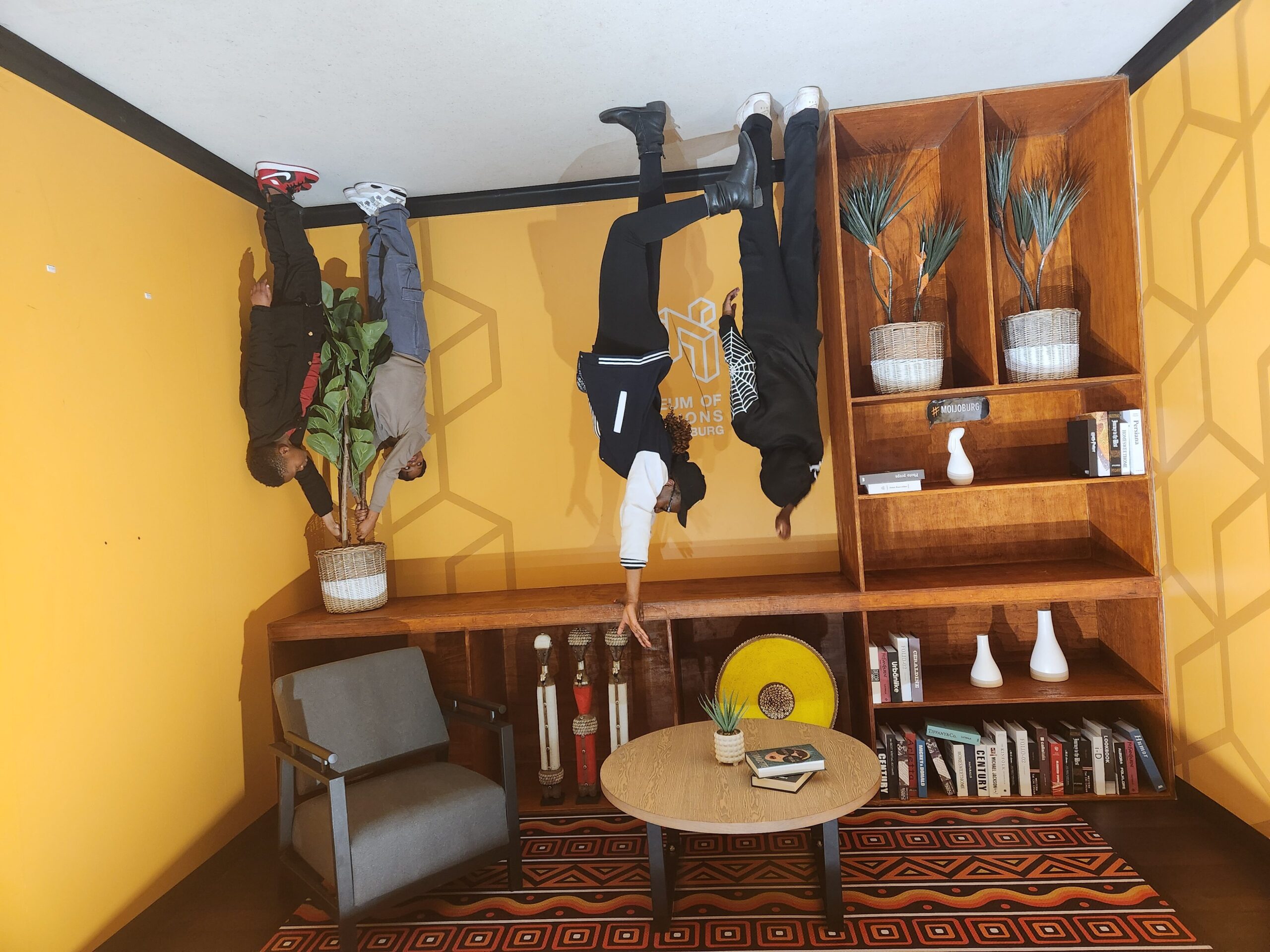
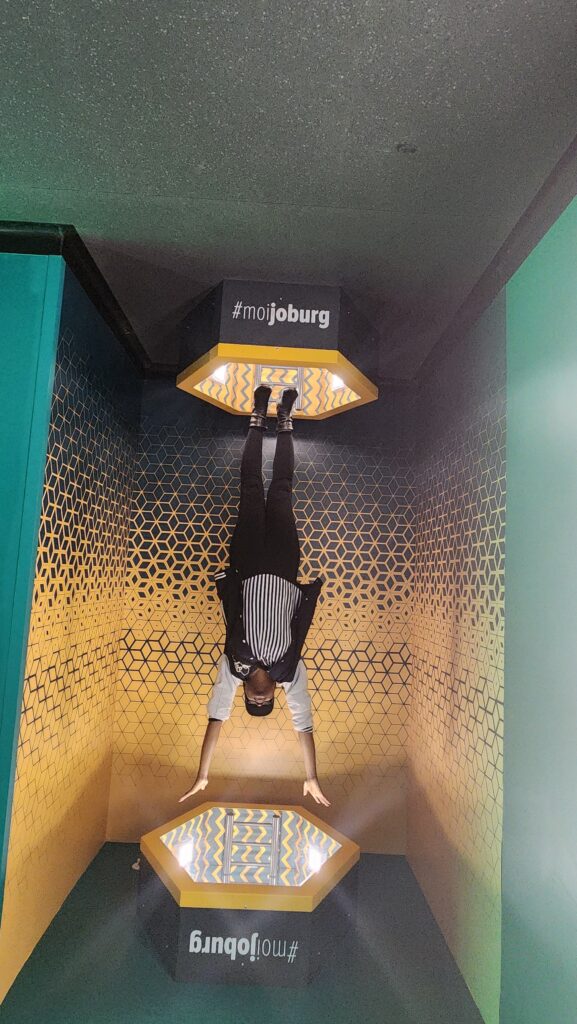
Last week, I visited a brand new museum in town, with family and friends. Read along to unlock the magic and let’s explore together the Museum of Illusions In Johannesburg.

Feature to illustrate the image

A little history about the Museum of Illusions

The Museum of Illusions, a global chain of interactive museums, invites visitors into the fascinating world of optical illusions and sensory experiences. Since its founding in 2015 in Zagreb, Croatia, the museum has expanded to over 30 cities worldwide, captivating audiences with its unique blend of education and entertainment. Each location features exhibits that challenge your perception, play with your senses, and make you question reality.

In Johannesburg, the Museum of Illusions which opened its doors in July this year, offers the same intriguing experience. Located at The Zone Rosebank Mall, this museum brings the world of illusions to life through various immersive exhibits and mind-bending installations.

This is how our visit went:

Upon arrival, a friendly staff member greeted us and quickly checked us in. As we entered the venue, the adults in our group hesitated for a moment, unsure of where to begin. Meanwhile, the kids were already hopping excitedly from room to room, engaging with every installation they encountered. Their enthusiasm was our cue to embrace our inner child and join in the fun.

Standard Installations

From my research about the museum, most installations are standards across the countries. I’ve came across a blog post describing the Illusions museum in Charlotte (USA) and the experience felt very similar. Thus, some of their most popular attractions include:

The Infinity Room:  A seemingly endless space created by mirrors and lights, where you can lose yourself in an infinite reflection.

The Ames Room:   A mind-bending optical illusion that distorts the perception of size, making one person appear much larger or smaller than the other.

The Vortex Tunnel: A rotating tunnel that tricks your brain into thinking you’re losing balance, even though you’re on solid ground (P.S: Although the kids ran through this one multiple times, I couldn’t go through it).

Tips to plan your visit the Museum of Illusion in Johannesburg:

Book your tickets online

Although tickets can be purchase at the door, it’s recommended to book online in advance, especially during weekends and holidays, to avoid long wait times.

Arrive approximatively 15 minutes earlier

We had booked for the 12 pm slot and between looking for parking space, and finding our way through a crowded mall, we arrived a couple of minutes late. Give yourself 15-20 minutes extra in your traveling time to find the venue without stressing too much. This is necessary when your group include young kids as ours.

The visit takes approximately 45-60 minutes

The museum is not your typical large arts or science museums. The visit can be wrapped up in about 40 minutes to an hour. We visited the museum on a Saturday during school holidays so it was reasonably crowded with families. Sometimes we had to queue to be able to experiment an installation. Because of this, I didn’t properly experiment some exhibits, especially the mind-bending wall arts. But, after an hour, all of us felt like we had seen and enjoyed most of the museum.

Pair your visit with a more relaxing activity, such as a family lunch

The visit time was just enough to get the kids interested and engaged. We wrapped up the visit with a nice lunch at a pizza family restaurant in the mall to rest our brain neurones.

Come with a fully charged phone and take plenty of pictures

One of the appeal of this kind of museum is that it’s a literally a mini-shooting session. The museums offer a lot of photo-worthy installations, and some illusions are only seen after your captured them via your lenses. We all left with a lot of fun and memorable photos. Also, The Illusions assistants are very helpful. They help visitors enjoy the exhibits and they double as photo-assistants which is great!

Some bonus tips:

Location and Pricing

The Museum of Illusions Johannesburg is conveniently located at the Zone, Rosebank, a vibrant area known for its shopping centres, restaurants, and entertainment options.

N.B:  The museum can be difficult to find, especially if you’re not familiar with Rosebank Mall/ The Zone. It’s easily accessible by the lifts from the Parking near Newscafe (opp. Starbucks). You will find the museum opposite the department store, Egg Beauty.

Address:

The Zone @ Rosebank,

177 Oxford Rd, Rosebank, Johannesburg, 2196

Pricing:

  • Adults: R190 
  • Children (under 15): R150 Family Ticket (2 Adults + 2 Children): R540 
  • Seniors and Students: R150 

You can get more info on their website.

Whether you’re looking to explore the science behind illusions, enjoy a fun day out with family or friends, or capture Instagram-worthy photos, the Museum of Illusions is an unforgettable destination. furthermore, the venue can be a great choice for birthday parties, school outings and more (Group discounts are available for bookings of 10 or more people).

Have you been to the Museum of Illusions in Johannesburg or anywhere in the world? Did you enjoy it?

Let’s get social, let’s connect!

Welcome to the Queendom : http://houseofnzinga.com/welcome/

Facebook page : House of Nzinga

Instagram:  @Fabulous_Trysh (Personal Page)

Instagram@House_of_Nzinga (Official Page)

New Podcast Alert!! : Check out Zazi on all podcast platforms

1 2 3 5

css.php